
Trace It to the Source.
Shajra Farms شجرہ فارمز
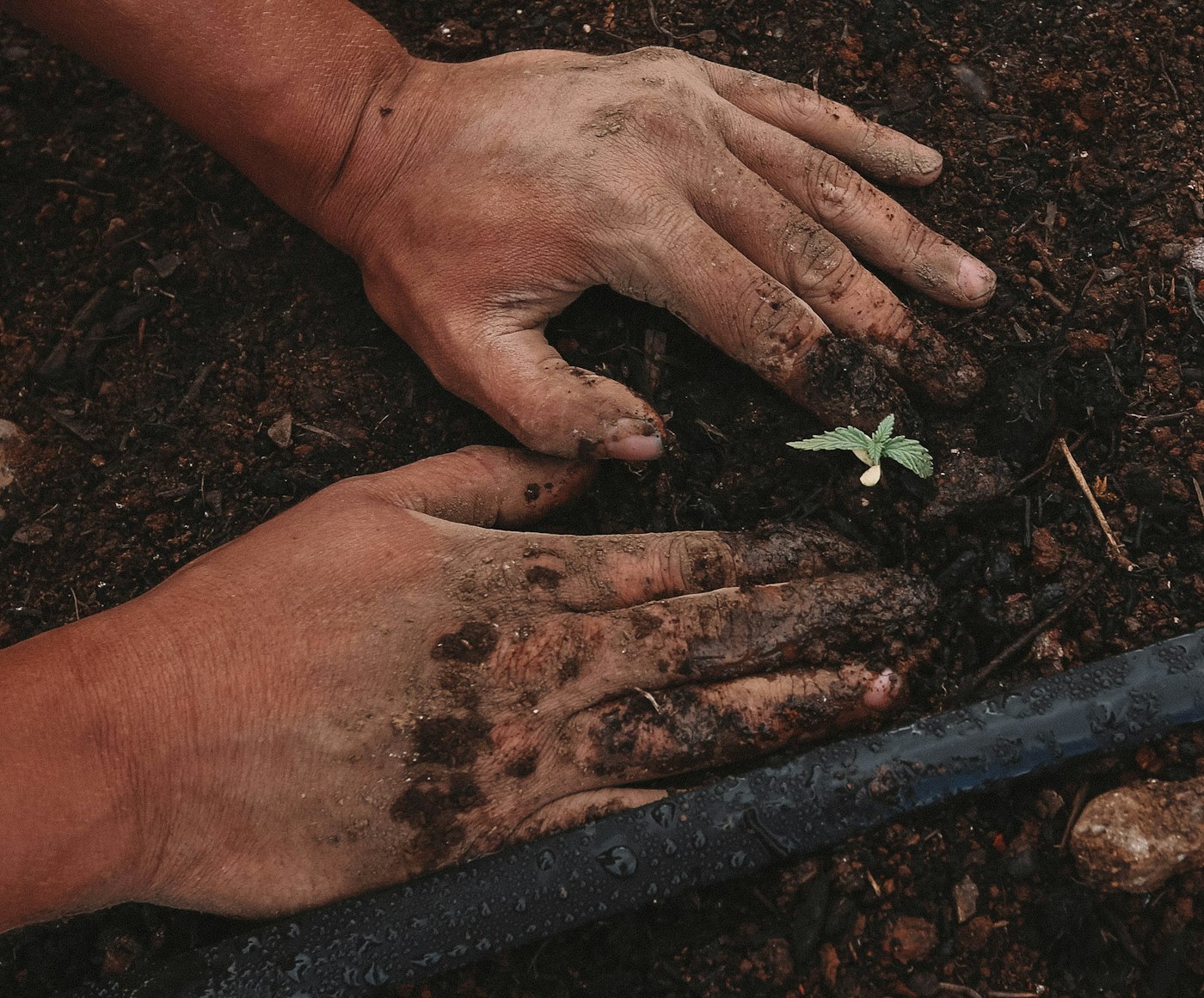
Hands settling a green seedling into dark, worked soil.

Farming that can keep going

Sustainability claims are easy to make and hard to check. We publish what we measure — irrigation cycles, soil trends, energy and waste — and leave the adjectives out.

Our Approach

Measured, then reported

The brand direction we work to is blunt about this: words like sustainable, natural and ethical should be used cautiously, and words like organic, regenerative and carbon-neutral only with proof. We have taken that seriously. What follows is what we actually measure.

Water

Toba Tek Singh is canal-irrigated, and water is the resource under most pressure. We meter irrigation by cycle, per block. Our first full season of counting produced a real figure for water per tonne — higher than we expected on some blocks — and that number is now the thing we manage against rather than a general intention to "use less".

Soil

Every block has a current soil test on file, and the history stays on file too. Rotation with legumes restores nitrogen and reduces bought-in fertiliser. Manure from our own herds returns to fodder blocks. The point of keeping the trend rather than the snapshot is that soil degradation is slow enough to hide inside a single good season.

Animals

Welfare monitoring covers housing, stocking density, handling and body-condition scoring on a fixed review cycle, with results filed against the herd group. No growth hormones are used. Antibiotics are used only to treat diagnosed illness, and withdrawal periods are documented before an animal enters production. The detail is on the livestock page.

Energy and waste

Energy use and waste streams are metered and reported farm by farm. Separating and recording them was the unglamorous first step; it is what makes any later reduction claim verifiable instead of rhetorical.
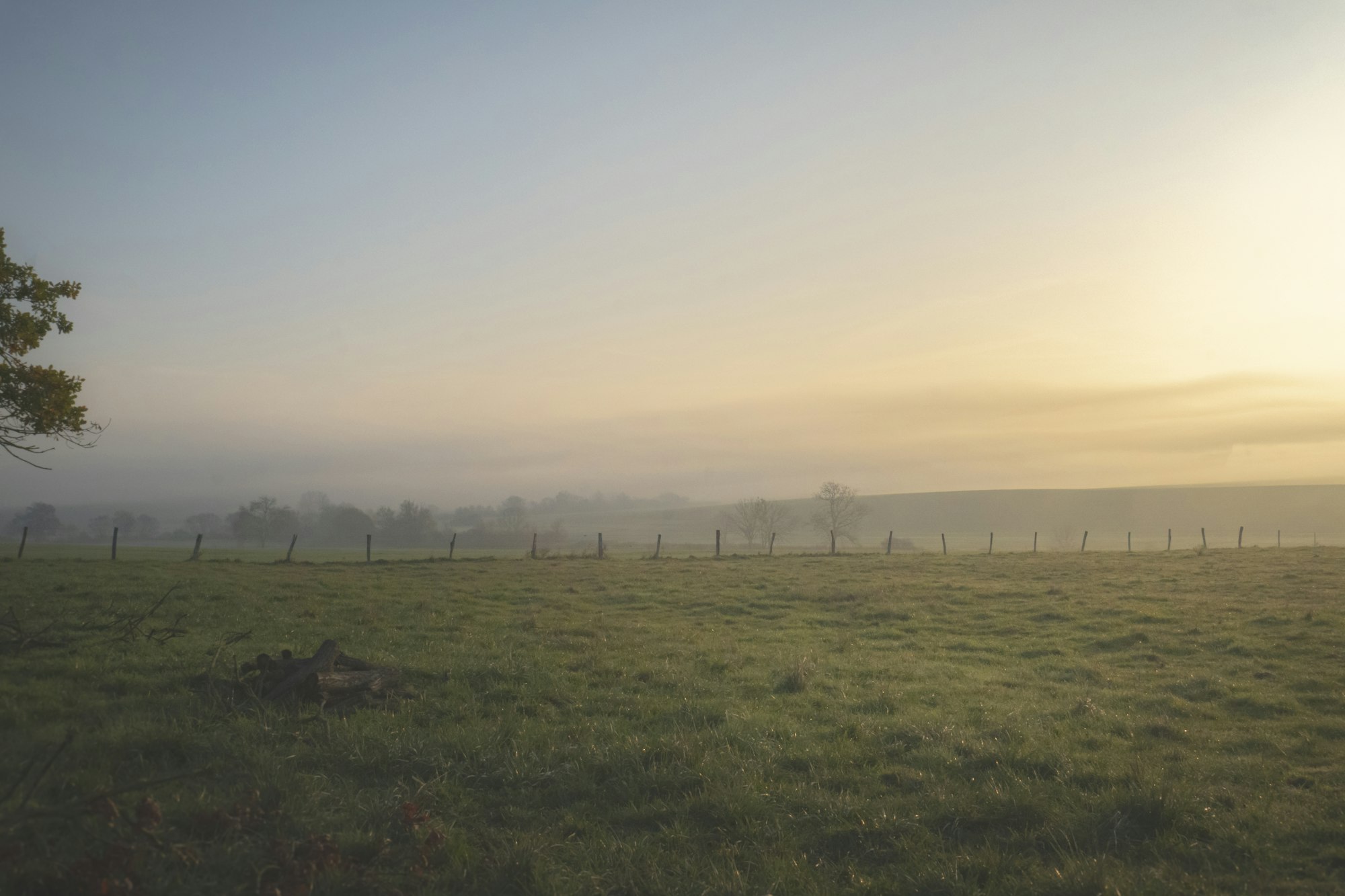
Mist lying over a field at sunrise.

Measured, then reported — the only version of a sustainability claim we can stand behind.

Commitments

What we hold ourselves to

01

Metered irrigation

Canal cycles counted per block, reported per tonne of output rather than in the aggregate.

02

Soil trend on file

Current test plus full history for every block, so slow decline cannot hide behind one good year.

03

Rotation by plan

Legume rotation to restore nitrogen and cut bought-in fertiliser, recorded against the block.

04

Manure returned

Herd manure goes back to fodder land as part of the written rotation plan.

05

Welfare on a cycle

Housing, density, handling and condition scoring reviewed on a fixed schedule and filed.

06

No unproven claims

Organic, regenerative and carbon-neutral are not used, because we cannot yet evidence them.

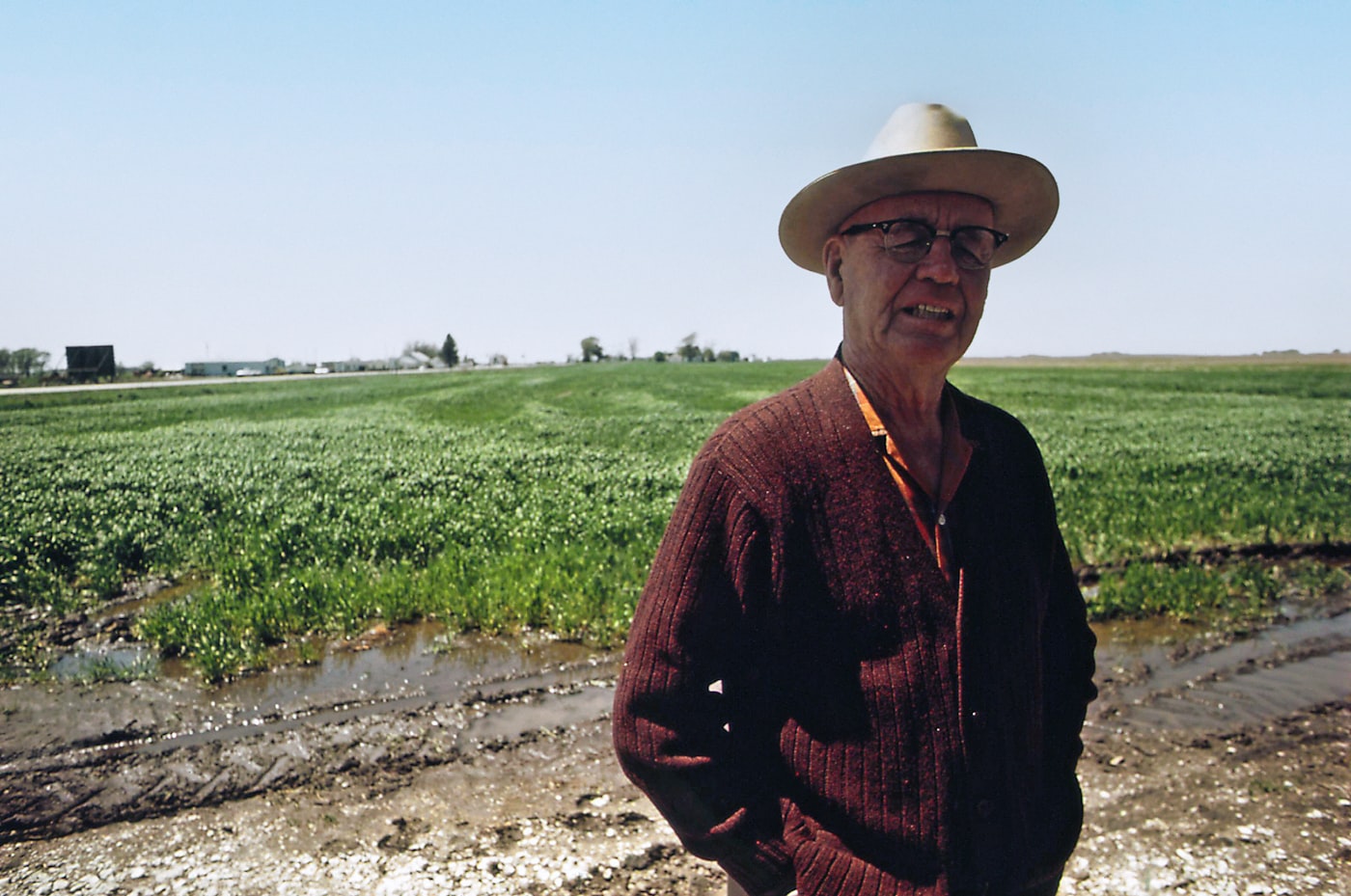
A farm worker in a wide-brimmed hat standing among the crop.

The people who run it

Documentation only works if the people doing the work believe it is worth doing. Our field and shed teams are the ones who write the records, and the system was designed around what they can realistically maintain during a working day.

Training, protective equipment and safe handling practice are part of the same standard as animal welfare — reviewed on a cycle, not left to custom.

Work with us
Questions

Frequently asked

Is SHAJRA Farms organic?
No. We do not hold organic certification and we do not use the word. Where inputs are applied, they are recorded against the block with product, rate and date — which is a different and more checkable claim.
How do you manage water in a canal-irrigated system?
Irrigation is metered by cycle per block. Counting cycles gave us a usable figure for water per tonne, and that is the number we manage against year on year.
What happens to farm waste?
Manure returns to fodder blocks as part of the rotation plan, reducing bought-in nitrogen. Other waste streams are separated and recorded so the volumes are visible rather than assumed.

Ask for the numbers.

Our resource reporting is available to buyers, partners and certification bodies on request.