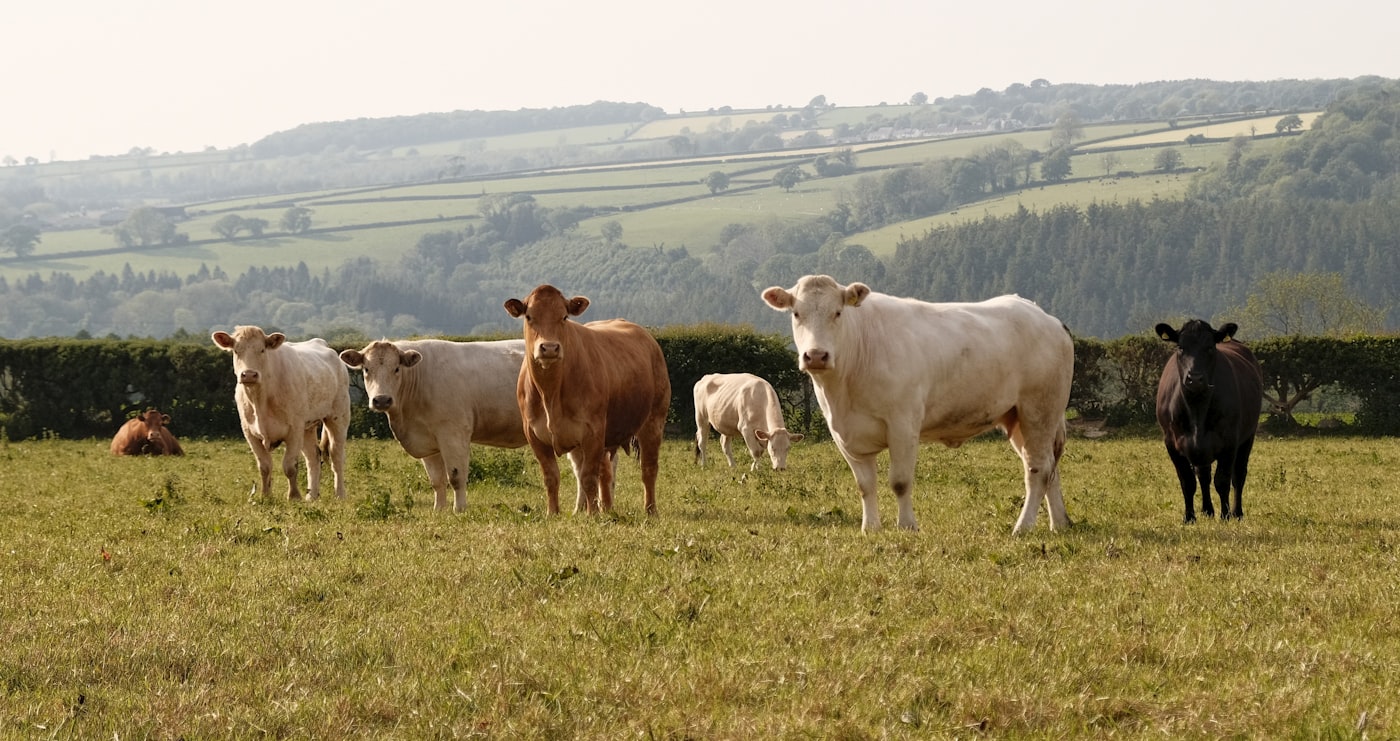
Our herds are built around Sahiwal and Cholistani cattle, two indigenous breeds developed in this part of Punjab. Both tolerate heat, walk well, convert local forage efficiently and calve reliably — qualities that matter far more in Pakistani conditions than headline yield figures from temperate systems. We keep buffalo alongside them for milk, where their higher fat content is an advantage.
Animals are grouped into numbered herd groups rather than managed as one undifferentiated population. A group shares a shed, a feed programme and a health schedule, which means an issue can be isolated quickly and a record can be meaningful at a scale smaller than "the farm".
Feed and pasture
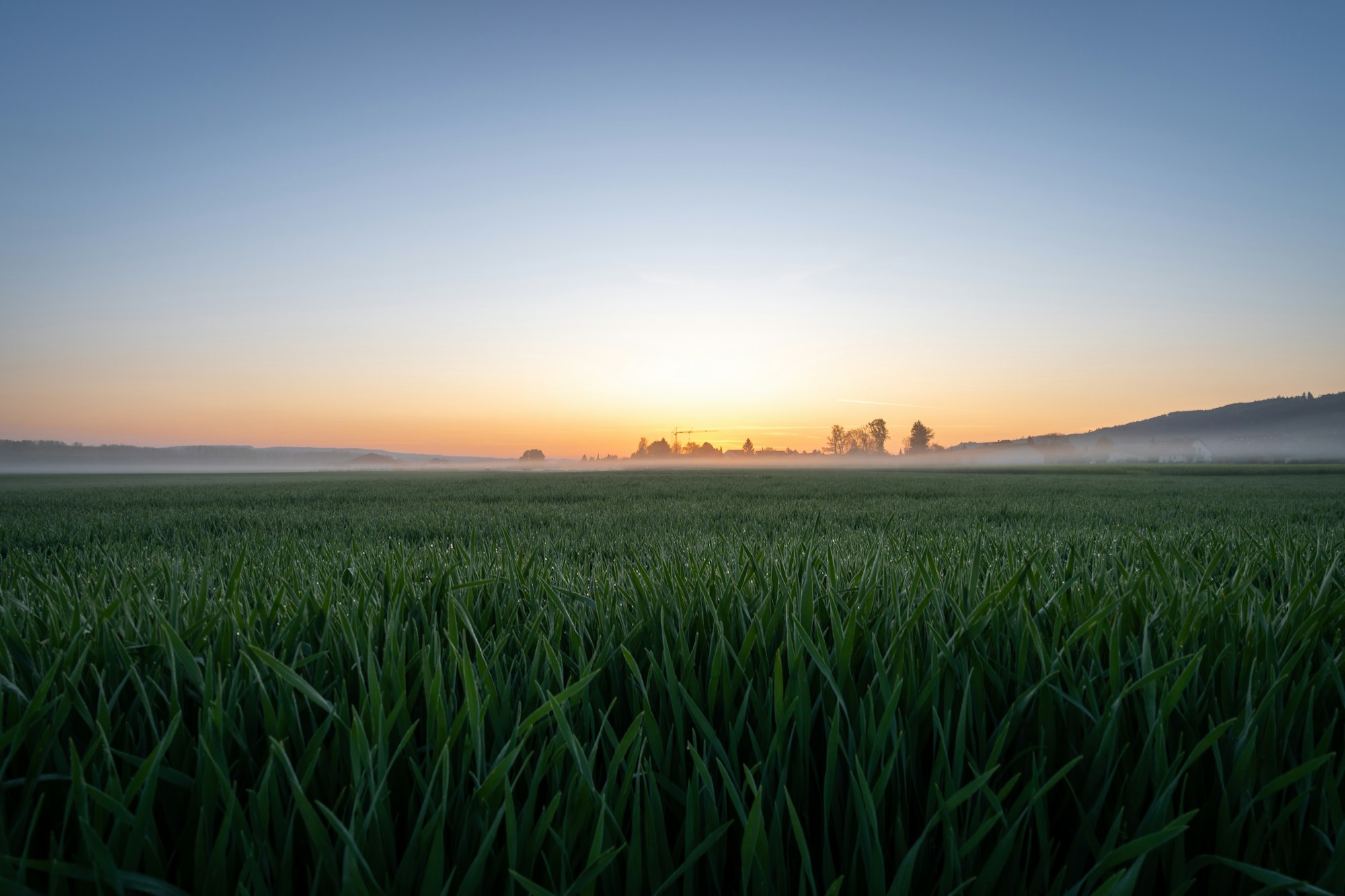
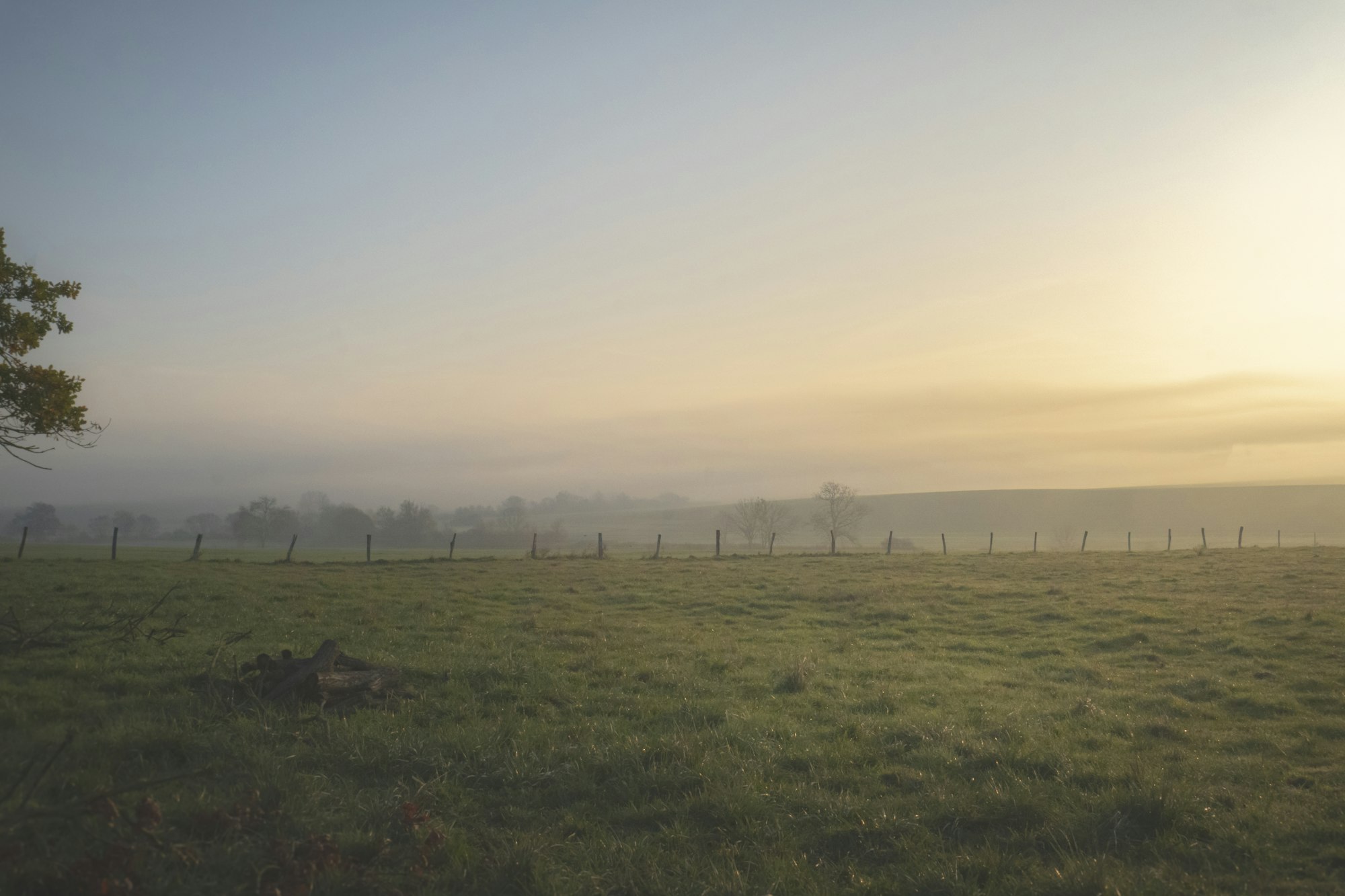
Most of the fodder our animals eat is grown on our own blocks and tracked through the same system as grain we sell — seed lot, irrigation cycles, cutting dates. Bought-in feed is recorded by supplier and batch. Rations are logged weekly against the herd group, so a feed question can always be answered with a document rather than a recollection.
Veterinary oversight and welfare
An attending veterinarian works to a scheduled check cycle, with additional visits on demand. Every treatment is written down: what was given, to which animal, on what date, and when the withdrawal period ends. No animal moves into production before that period has elapsed.
Welfare monitoring covers housing, stocking density, handling and body-condition scoring on a fixed review cycle. It is a written standard, not a sentiment — read the Shajra Standard for what we commit to and how it is checked.