
 Traceability
Why we chose GS1 identifiers over a private code
A proprietary scheme would have been faster to build and useless to everyone downstream. Here is the reasoning behind the decision.
Readشجرہ، ماضی سے مستقبل تک
We produce trustworthy agricultural products by maintaining a visible, verifiable relationship between the land, biological lineage, production practices and the final product.
Every product comes from an identifiable source.
Land, animals and resources managed with care.
Quality claims backed by verifiable records.
Traditional knowledge strengthened by modern systems.
Creating a legacy that can endure.
Five parts of one integrated agricultural system — not five unrelated businesses. Every item carries the record of where it came from.
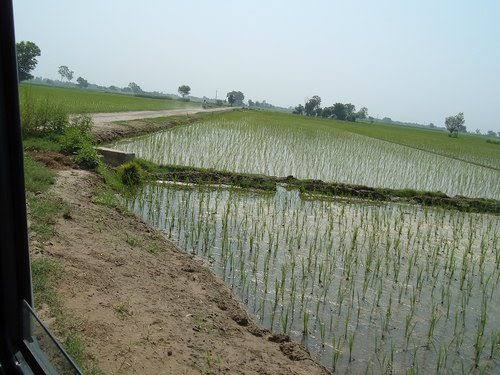
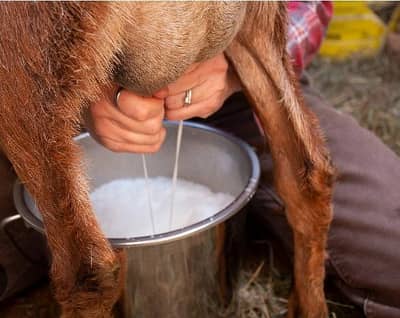
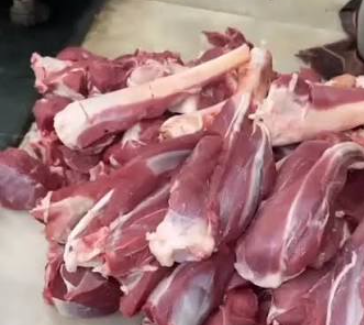
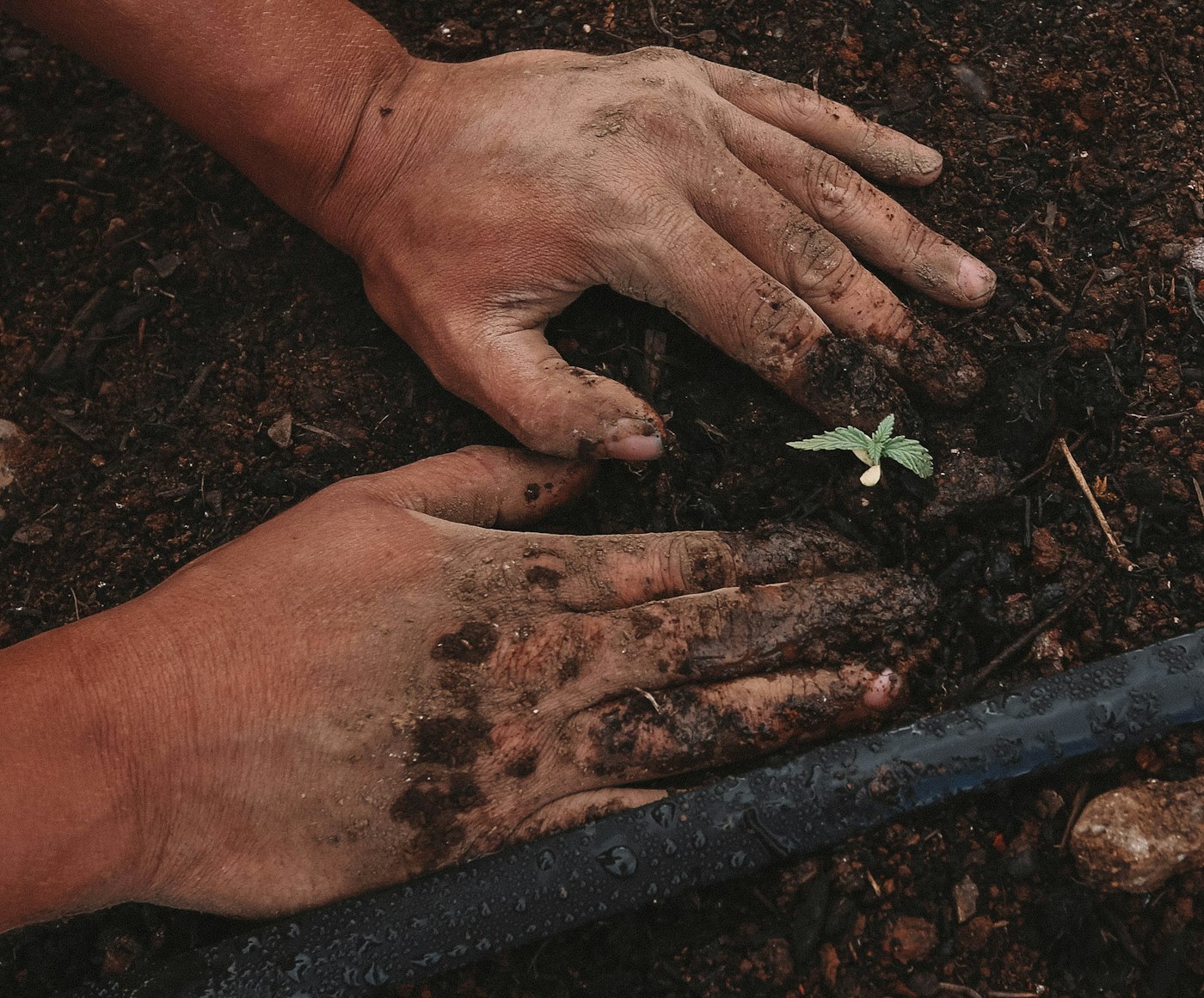
Scan the code on your product or enter the trace number to see its complete journey.
Try a sample:
Don’t just trust the label. Trace the Shajra. صرف لیبل پر بھروسہ نہ کریں۔ شجرہ دیکھیں۔
In Urdu, shajra names the document that traces a lineage back to its source. We apply the same idea to agriculture: land, biological lineage, production practice and final product held together in one continuous, verifiable record.
That record is what separates a claim from a fact — and it is the reason a Shajra product can tell you where it came from.
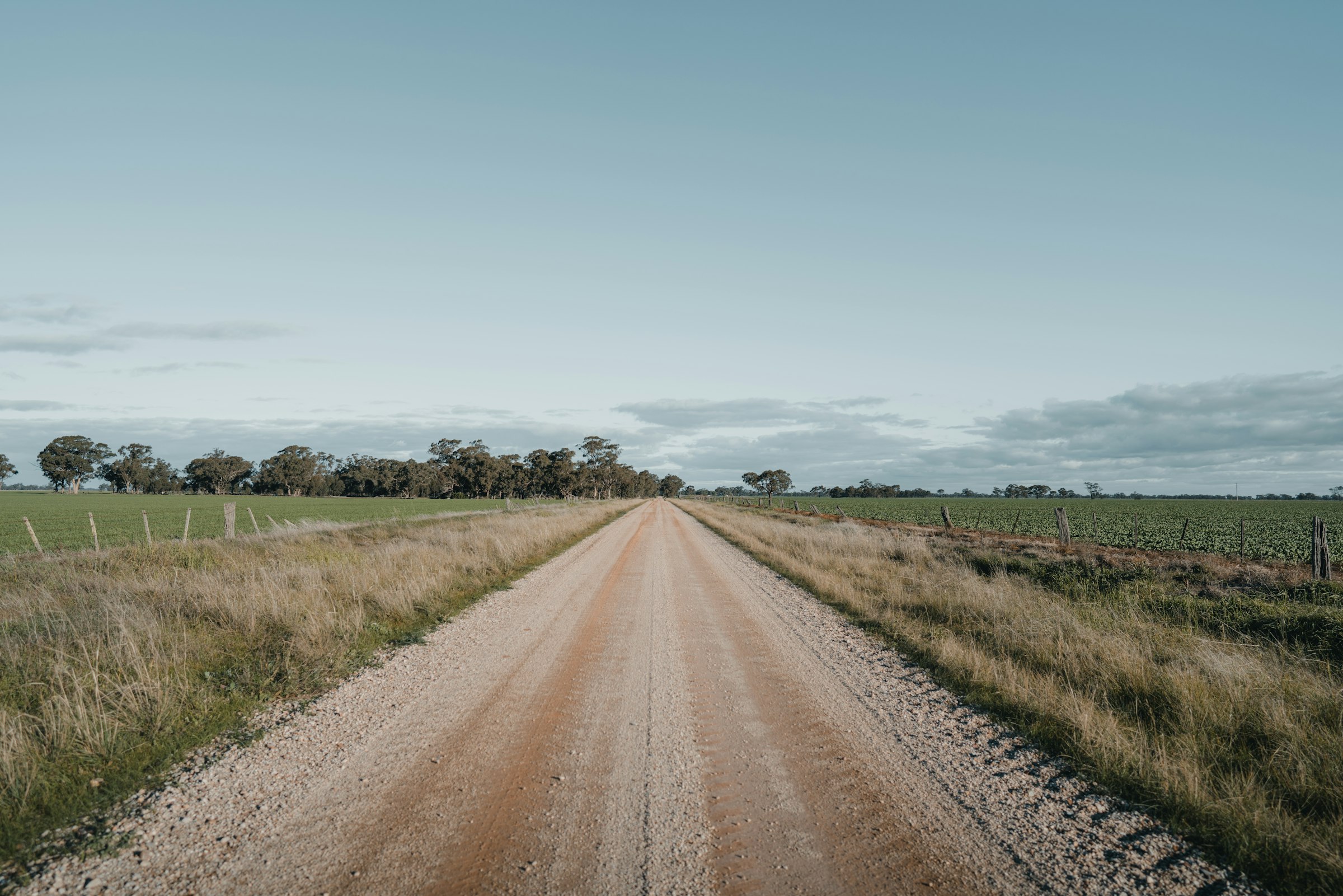
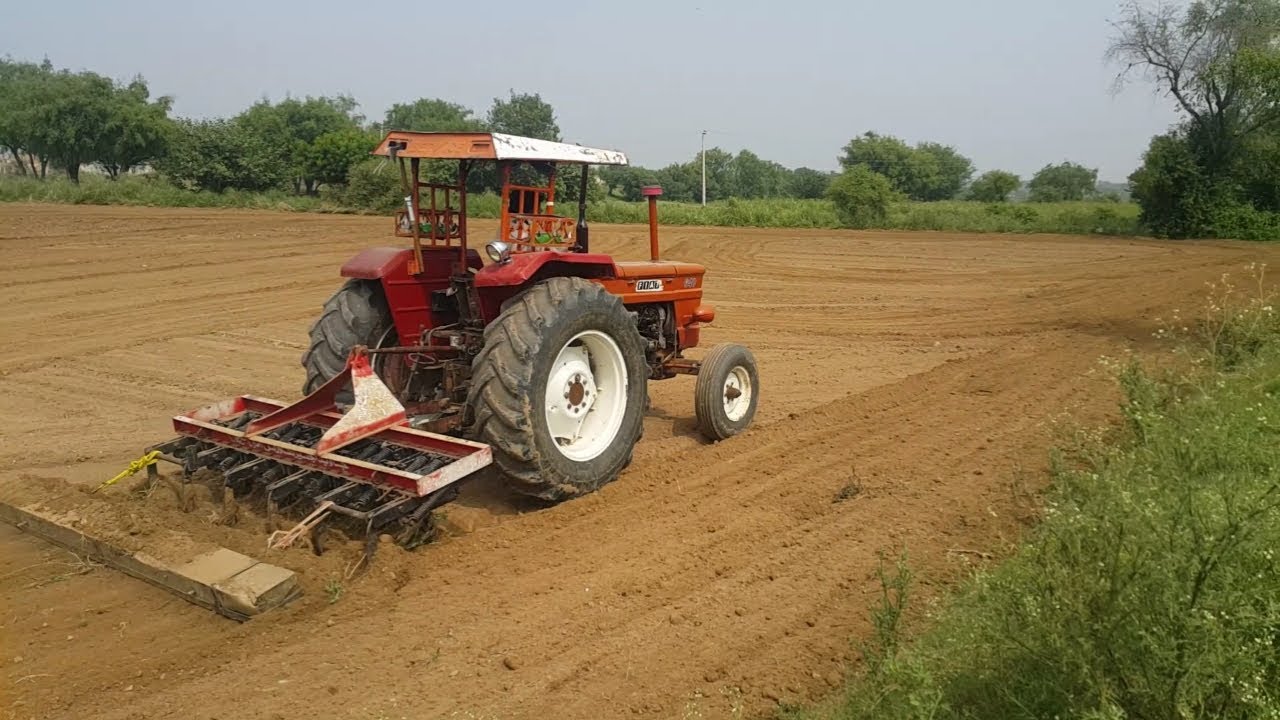
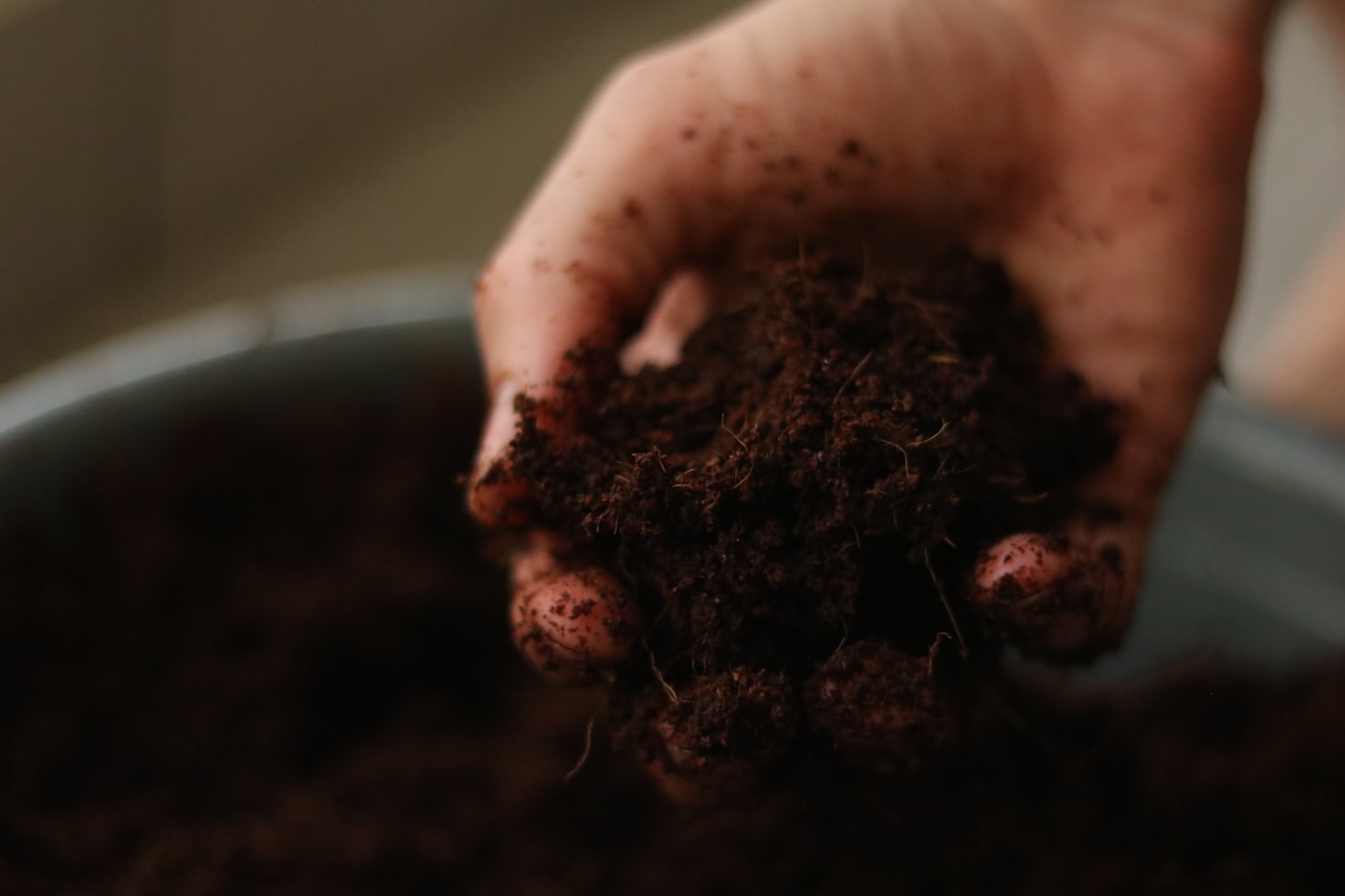
Every field block and pasture is mapped, soil-tested and identified before anything is sown or grazed.
Animals are tagged within a day of birth. Breed, dam and herd group stay attached to the record for life.
Feed, irrigation, veterinary oversight and welfare checks are logged as they happen — not reconstructed later.
A GS1-compatible identifier is printed on the pack. Scan it and the whole chain opens in your hand.
A branded house, not a holding company. One symbol, one wordmark and controlled descriptors — so reputation compounds in the SHAJRA name.
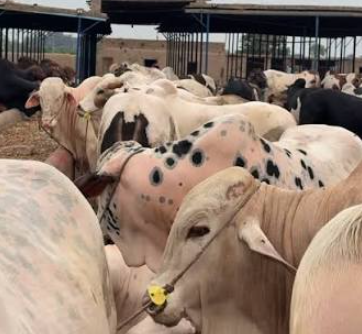
Cattle and buffalo raised under identified herd groups, with welfare monitoring and veterinary oversight recorded against each animal.
See the standardA verified pasture and feed programme. Rotation, inputs and grazing days are logged block by block across the season.
See the standardFlock-level identification with housing, feed and health records kept to the same documentary discipline as our herds.
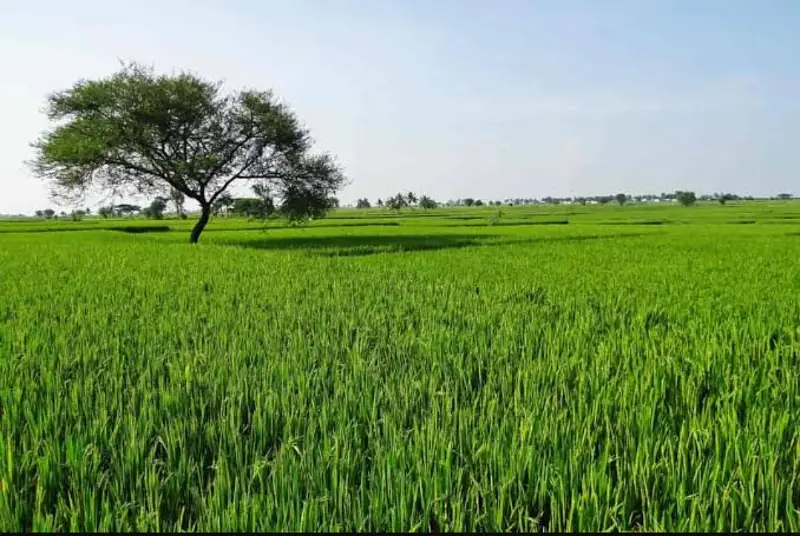
See the standardOrchards and field crops traced to the originating block — seed lot, irrigation cycles and quality sampling all on record.
See the standardThe traceability platform itself. GS1-compatible identifiers carry each batch's chain of custody from land to pack.
Open a recordAn exceptional selection released only where the full production record supports the claim. Limited by evidence, not by marketing.
See the rangeScan the mark on any pack, or enter its batch code below. What opens is the actual chain of custody — the same record our own operations run on.
Sample codes: · ·
Which farm, which field block or herd group — named, not implied.
Checks performed, withdrawal periods observed, laboratory results filed.
Where a batch was processed, when it was packed, and by which line.
Standardised codes rather than an isolated proprietary scheme, so partners can read them too.
Our internal production and welfare framework. Each line below is a record we keep, not a sentiment we express.
Every animal tagged within 24 hours of birth and carried on the register for life.
Rations, sources and application dates logged weekly against each herd group and block.
Scheduled checks by attending veterinarians, with withdrawal periods observed and filed.
Housing, stocking density, handling and body-condition scoring reviewed on a fixed cycle.
Irrigation cycles, energy and waste streams metered and reported farm by farm.
No batch is released until its production record is complete and its identifier issued.
Third-party audit where it applies — and no badge on a pack that an audit does not support.
Terms such as grass-fed or hormone-free are used only where the record proves them.
زمین۔ نسب۔ ورثہ۔
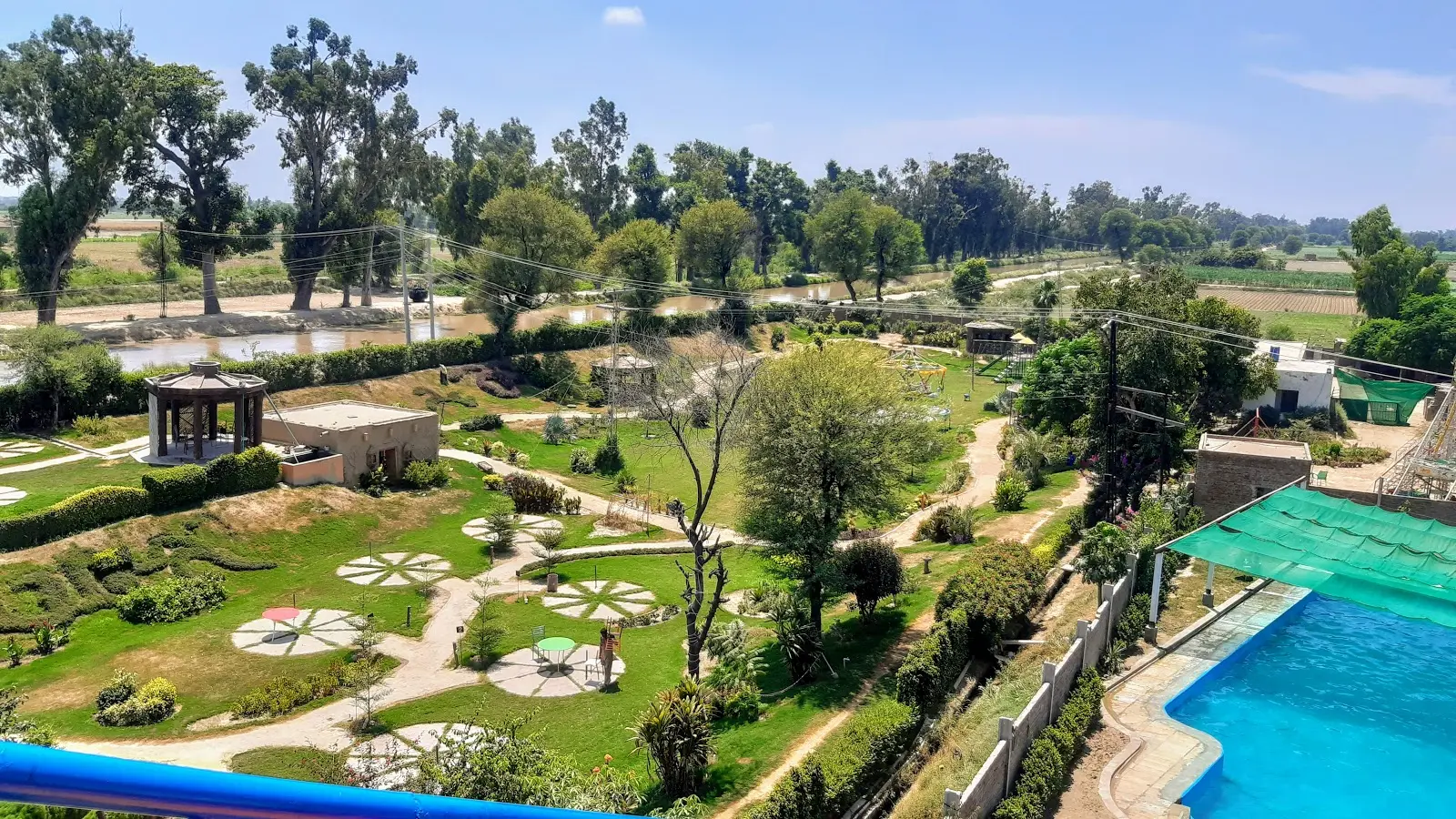
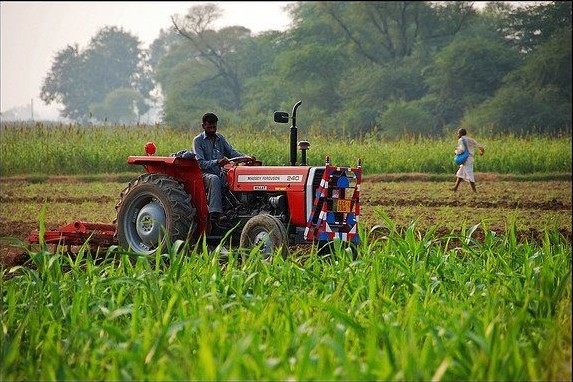
Punjab has fed this region for as long as anyone has kept records of it. Our land sits in Toba Tek Singh, in the doab between the Ravi and the Chenab — deep alluvial soil, canal irrigation, and generations of accumulated agricultural knowledge. The conditions were never the problem.
What has been missing is the documentation: a way to show, not assert, how something was grown or raised. SHAJRA Farms exists to close that gap, pairing that inherited knowledge with the systems, instruments and record-keeping a modern enterprise runs on.
Traceability
A proprietary scheme would have been faster to build and useless to everyone downstream. Here is the reasoning behind the decision.
Read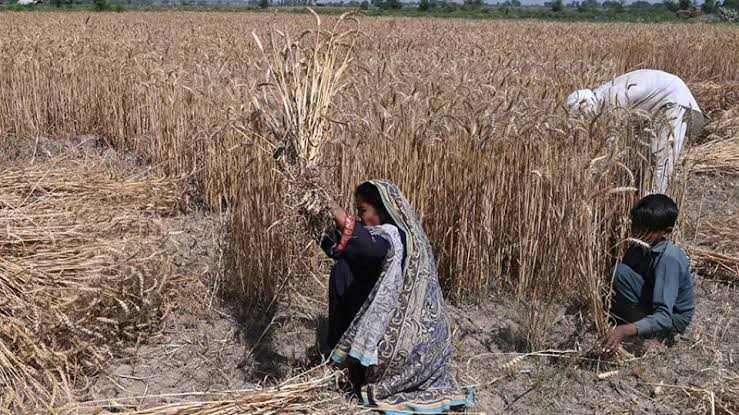 Operations
What changed on our farms when recording an event stopped being paperwork and started being the product.
Read Sustainability
Our first full season of canal-cycle measurement, what it cost, and what the numbers actually showed.
Read
ہر اصل کا ایک شجرہ ہے
Scan the mark on your pack and read the record for yourself. That is the whole promise — and the only one worth making.